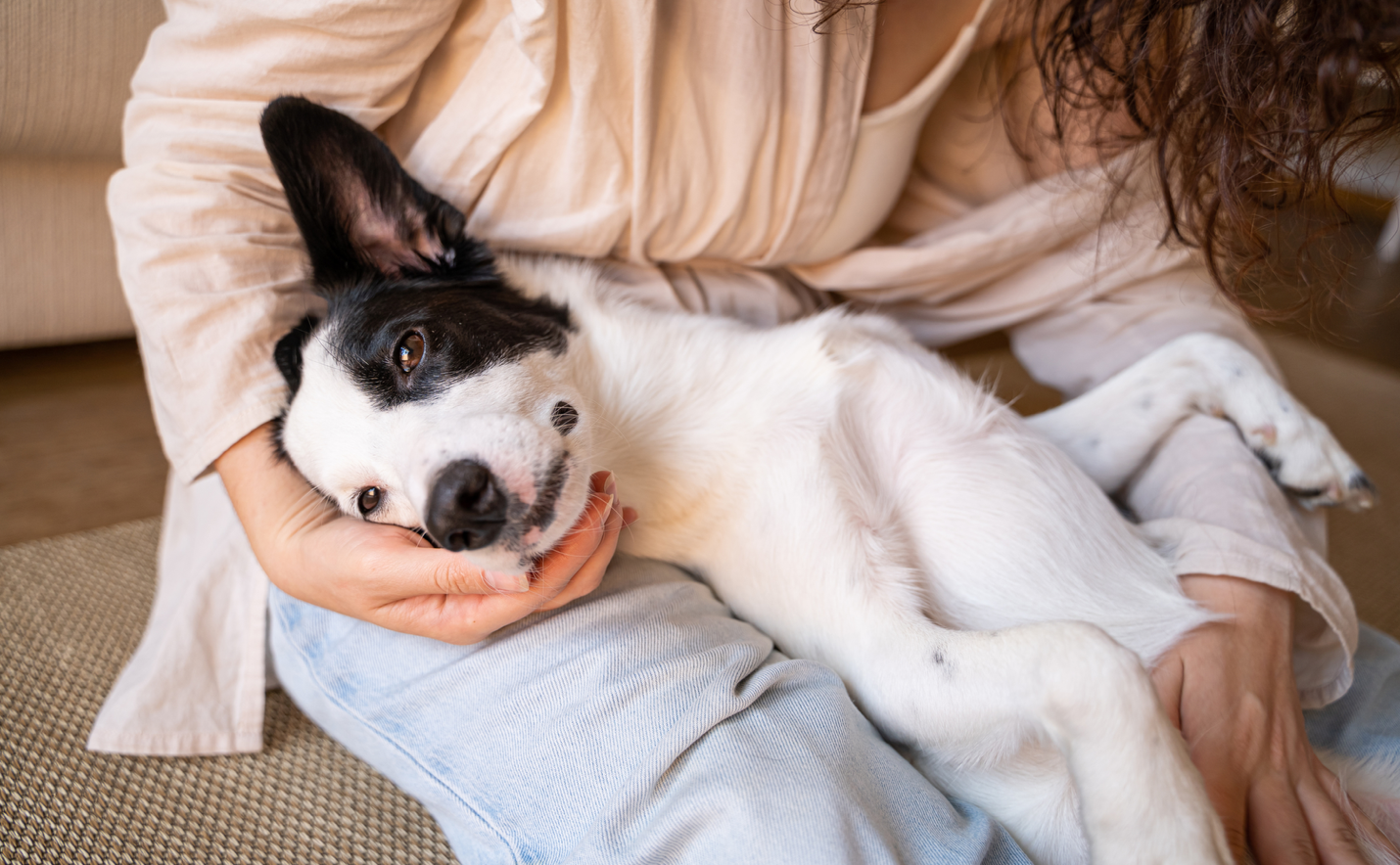
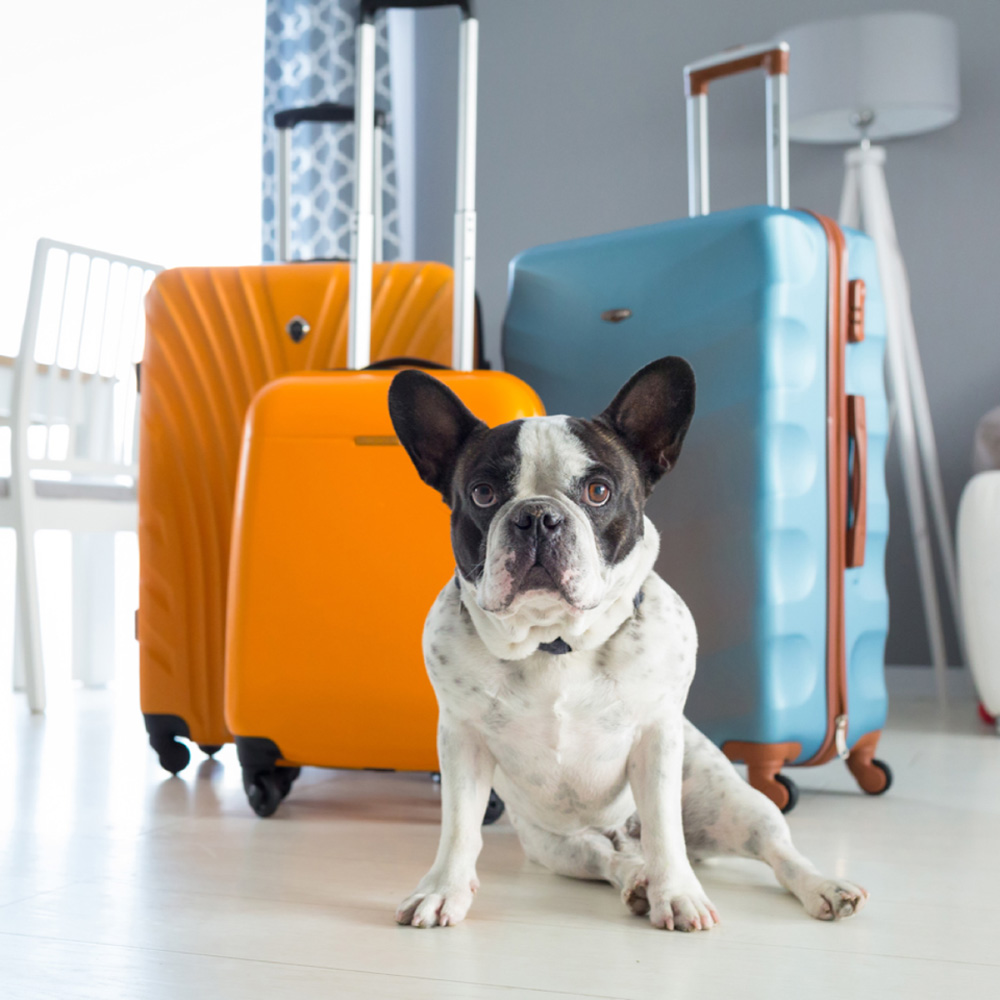
Our furry besties are so in tune with us, their daily schedule, and even the overall vibe of their environment. They’re absolute pros at picking up on shifts, big or small. The simple act of serving dinner ten minutes late, skipping the morning walk, or pulling out your suitcase for a trip (uh-oh, they know you’re leaving) can cause major upheaval in their small but mighty doggy world.
For them, these little changes in routine are a big deal. Meanwhile, we humans—constantly living in a state of flux—often don’t even notice. In our fast-paced lives, it’s worth taking a moment to refocus on routines.
This time of year, especially when seasons change and life transitions kick in, whether it’s back-to-school, new work hours, or shorter days, our dogs may be feeling the shift even more. And while every day doesn’t have to be full-on Groundhog Day, with nothing changing and everything exactly the same, keeping a few consistent routines (even small ones) can help your dog feel safe, secure, and convinced that all is right in their world. Less stress and anxiety for them means more calm for us, and having our own routines is pretty great for our wellness, too.
.png)
Why Routine Matters for Dogs
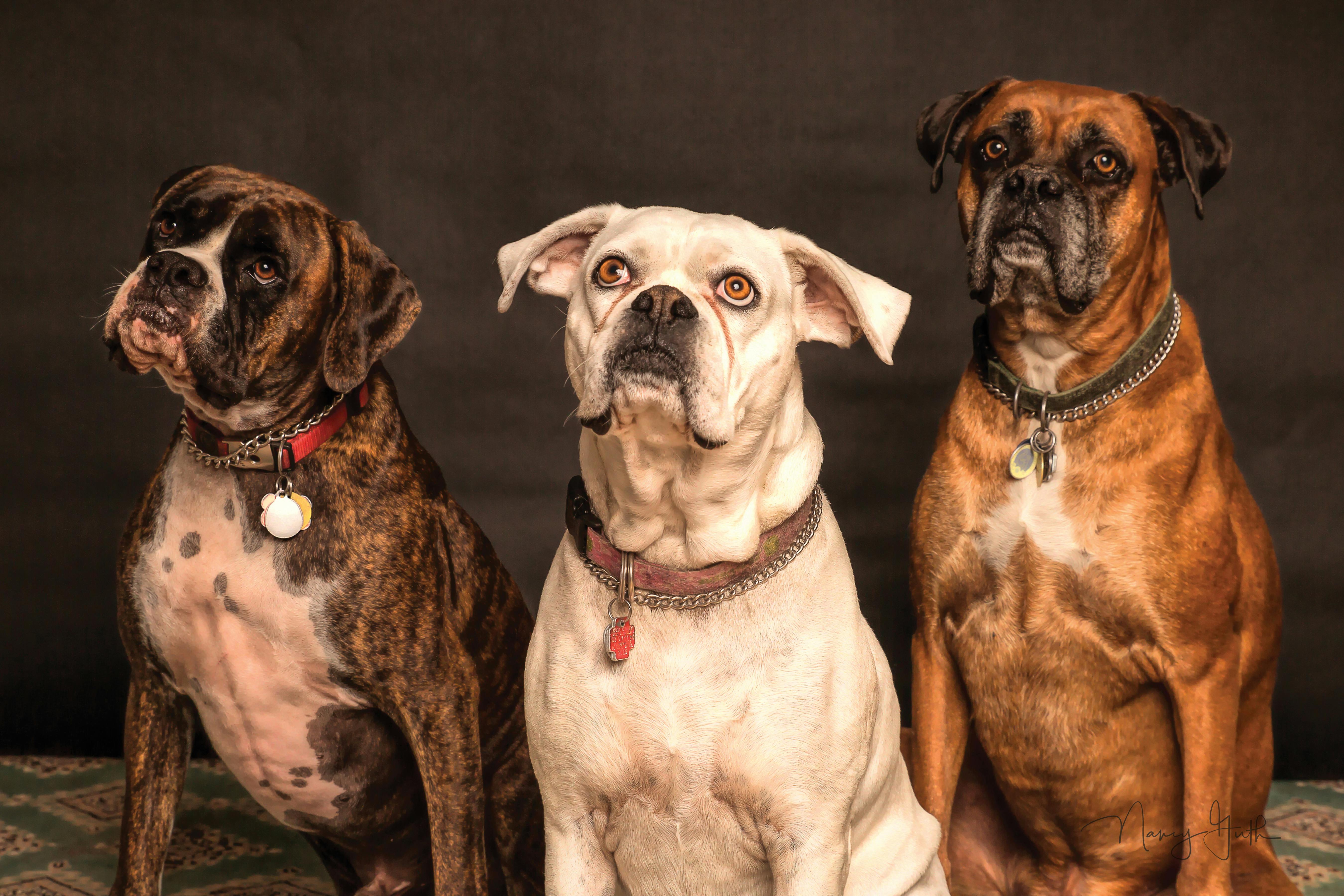
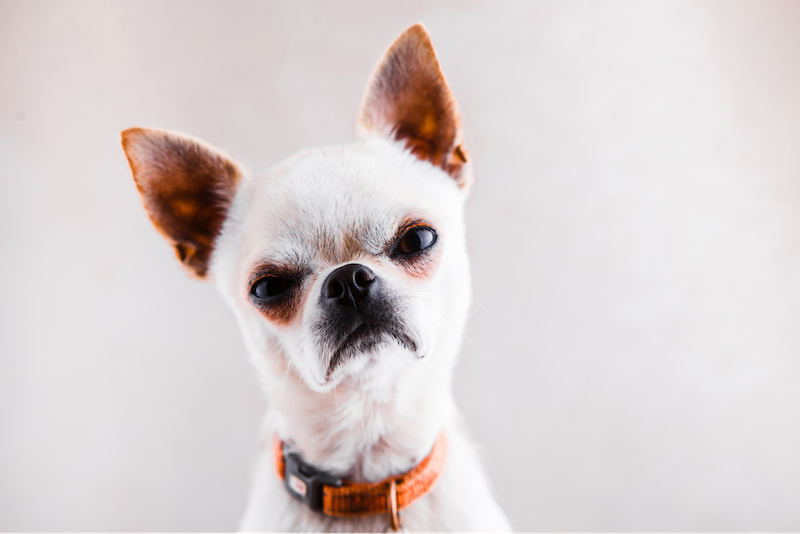
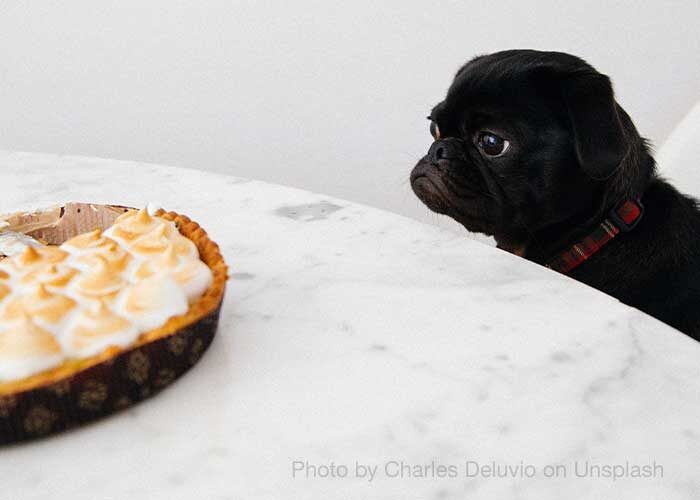
Routine creates predictability. And predictability creates safety. When your dog knows what to expect throughout the day—when they’ll eat, when they’ll walk, when they’ll rest—it helps regulate everything from mood to digestion. They tell your dog, “You're cared for. Life makes sense.” Without some form of structure, dogs can become overstimulated, anxious, or confused, which can lead to behaviors like excessive barking, constant movement, refusing to leave your side, or our personal favorite… staring you down to see what you’ll do next!
Signs Your Dog Might Be Struggling With a Schedule Change
If your routine has shifted recently, keep an eye out for:
• Increased barking, whining, or vocalization
• Restlessness or pacing around the house
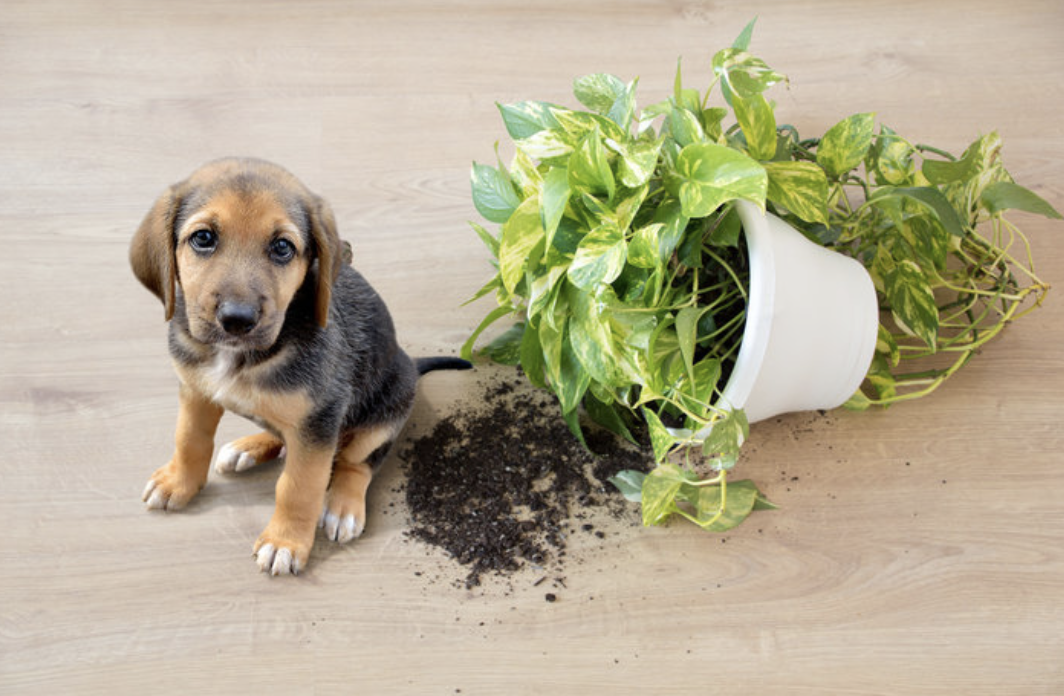
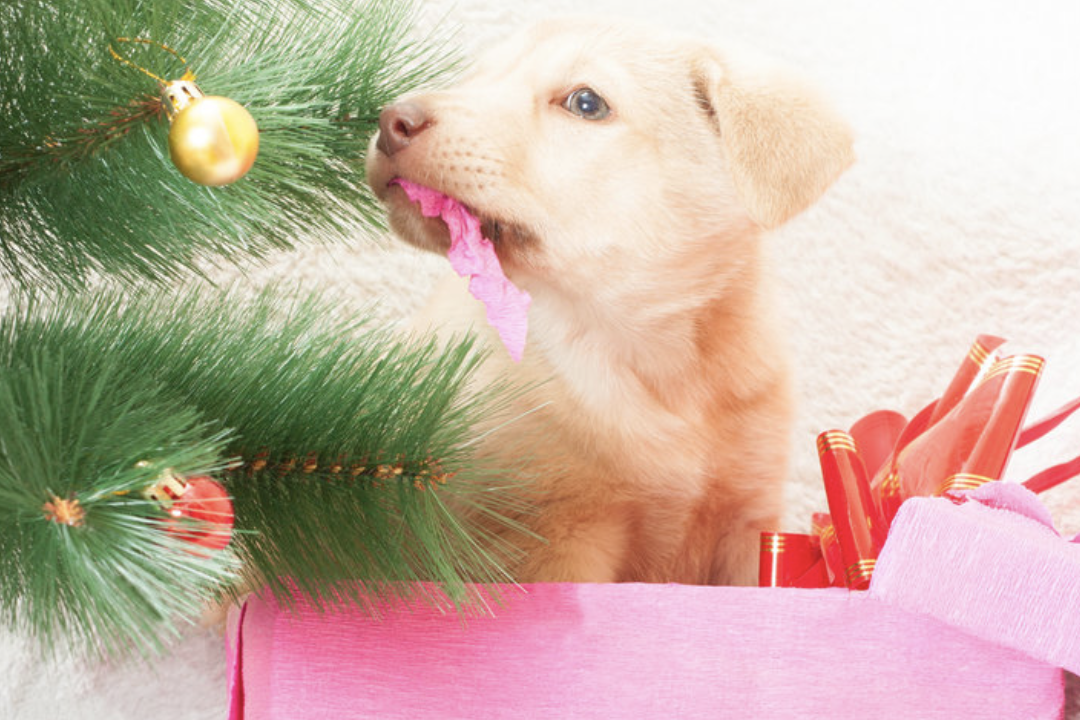
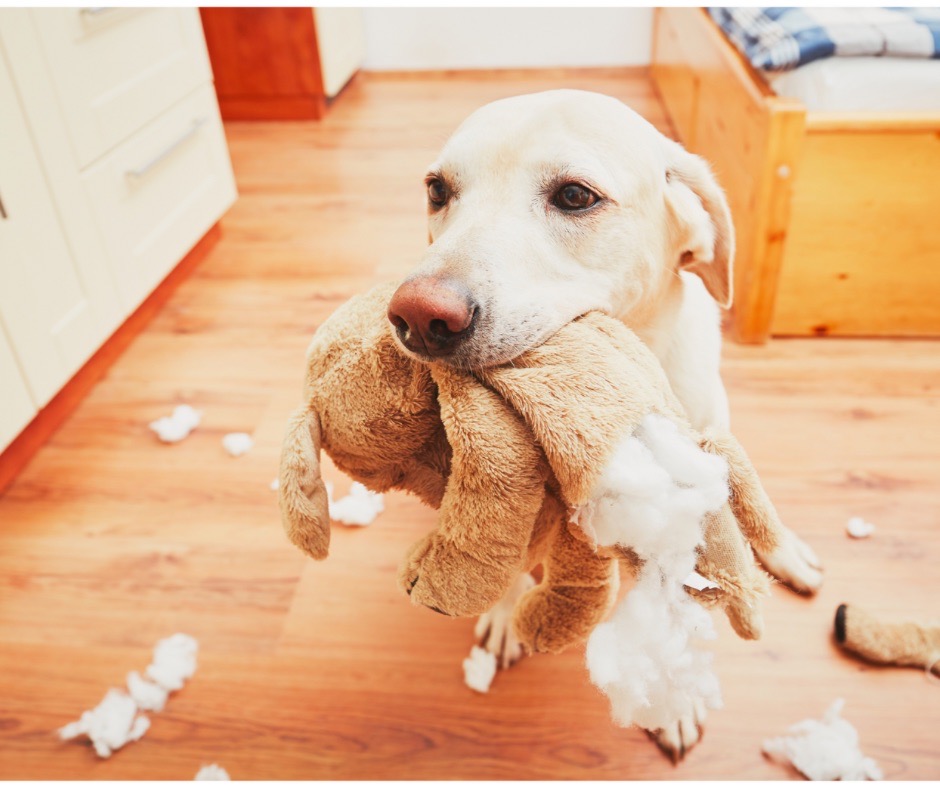
• Destructive chewing or digging
• Sudden changes in appetite or sleep
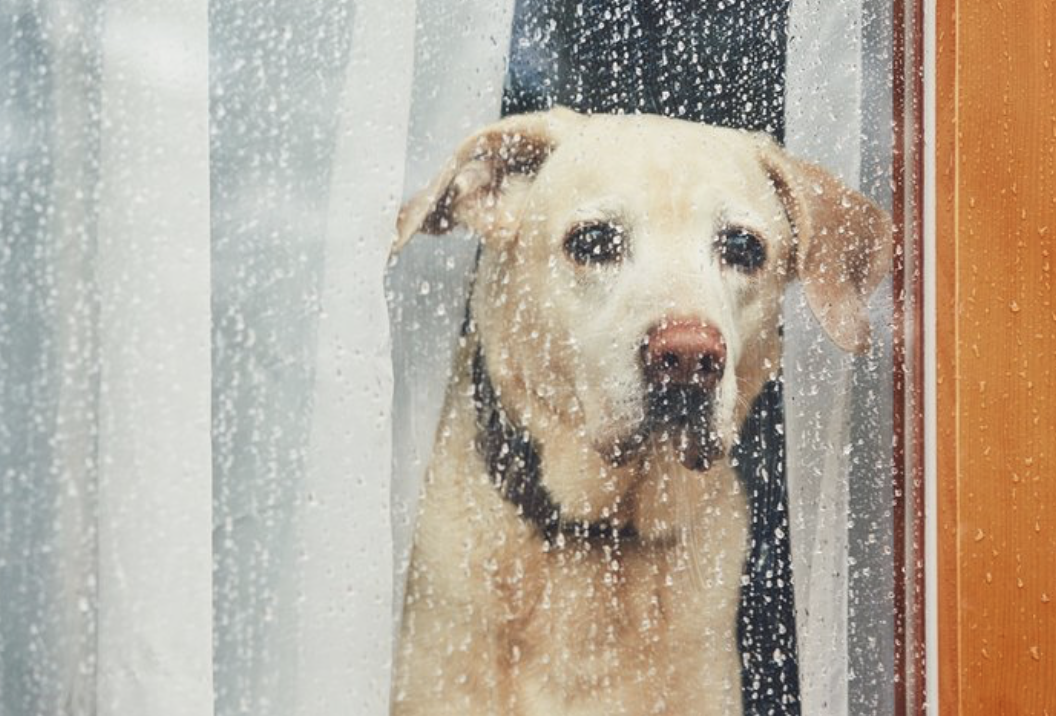
• Trouble being left alone (separation anxiety)
These behaviors aren’t “bad”; they’re your dog’s way of communicating discomfort or confusion.
How to Build (or Rebuild) a Calm Routine
1. Shift Gradually (If You Can)
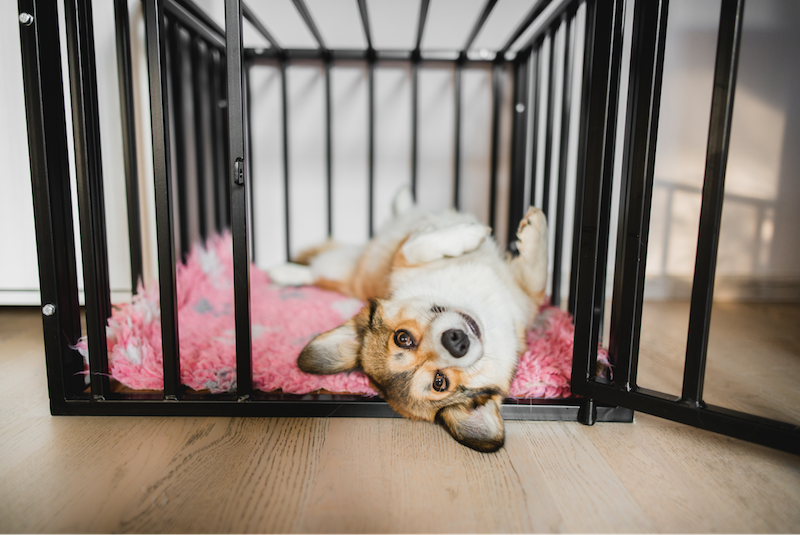
If you know a big schedule change is coming, try adjusting your dog’s routine gradually. Move meals, walks, or crate time by 15–30 minutes every couple of days instead of all at once.
2. Keep the Anchors Consistent
Try to keep a few key daily anchors consistent—especially wake-up time, feeding, and bedtime. These touchpoints help ground your dog even when other parts of the day may change.
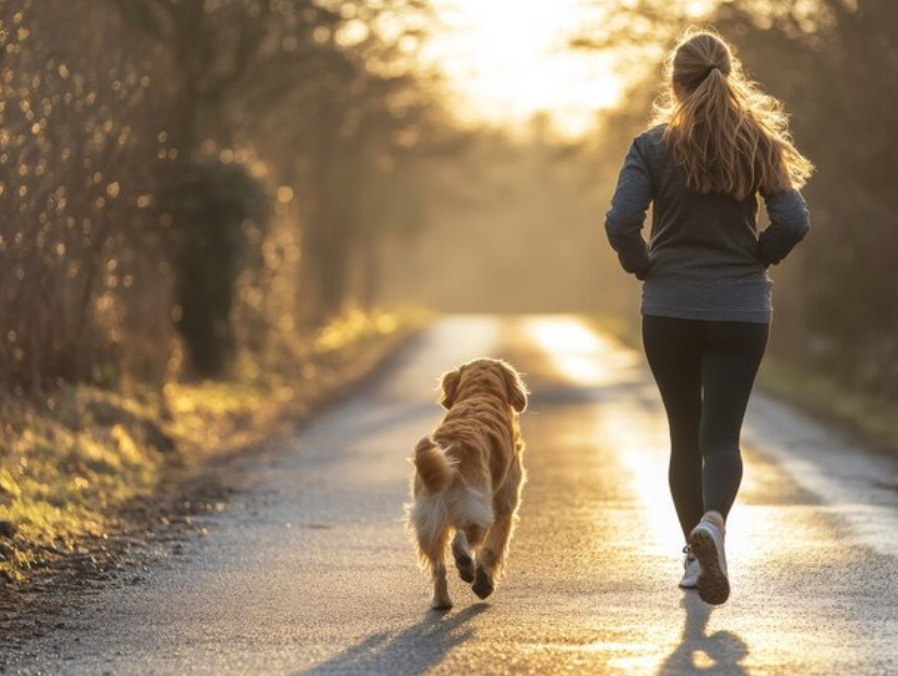
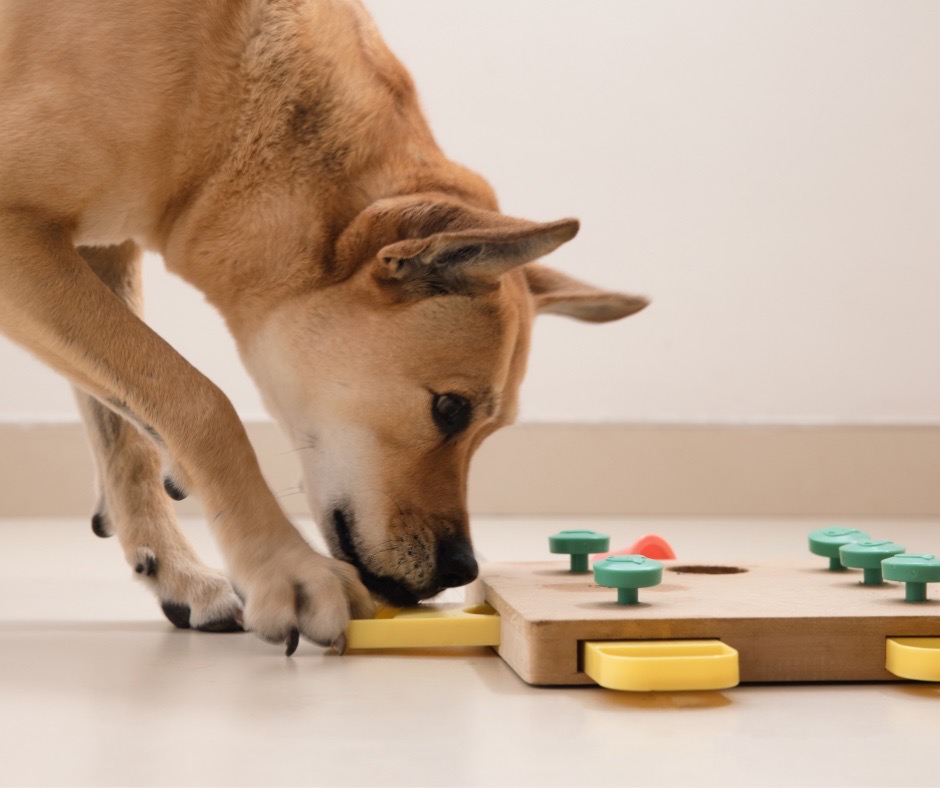
3. Include Daily Enrichment
Physical exercise is a priority, but mental stimulation matters just as much. Try:
• Puzzle toys or snuffle mats
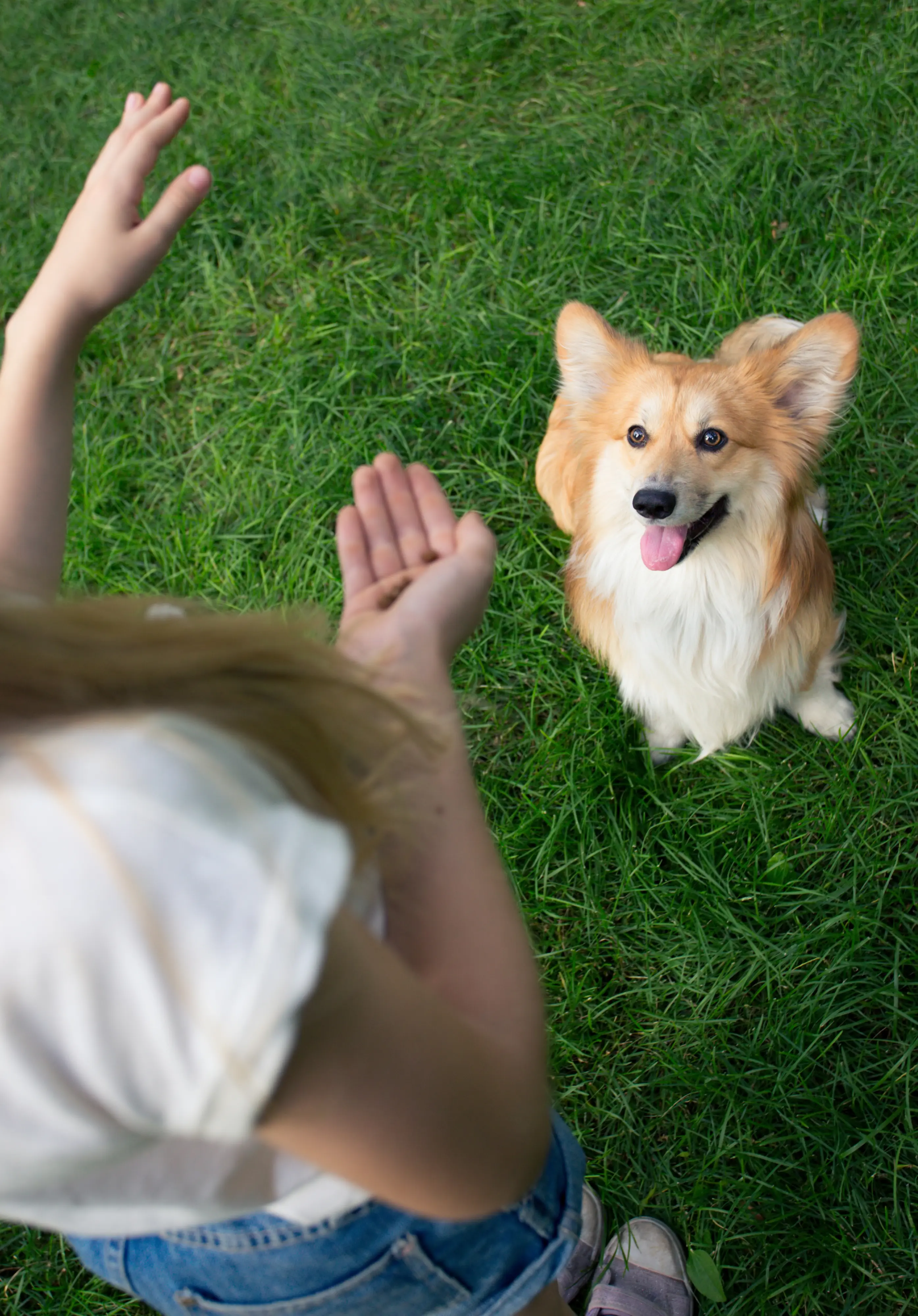
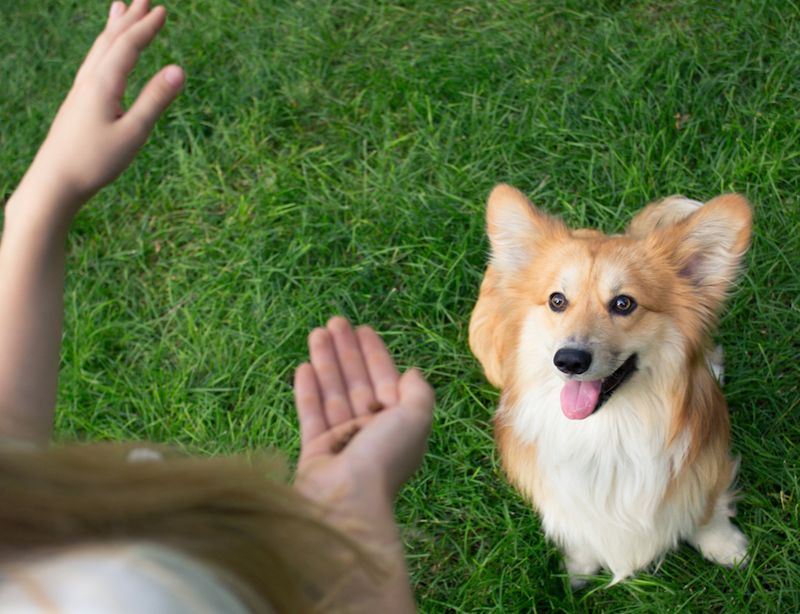
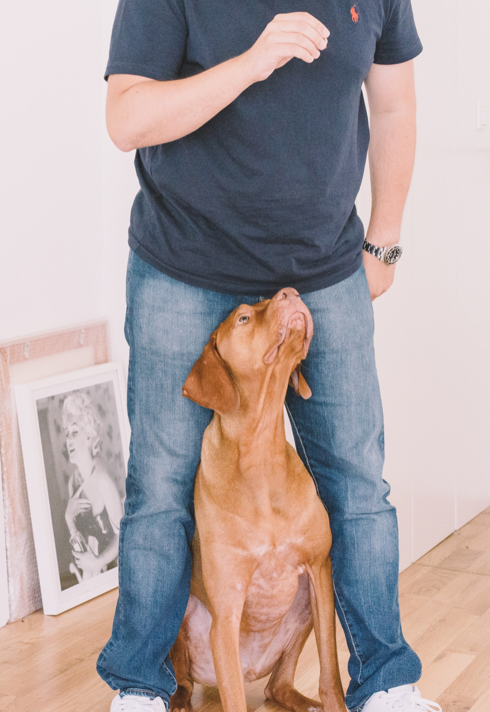
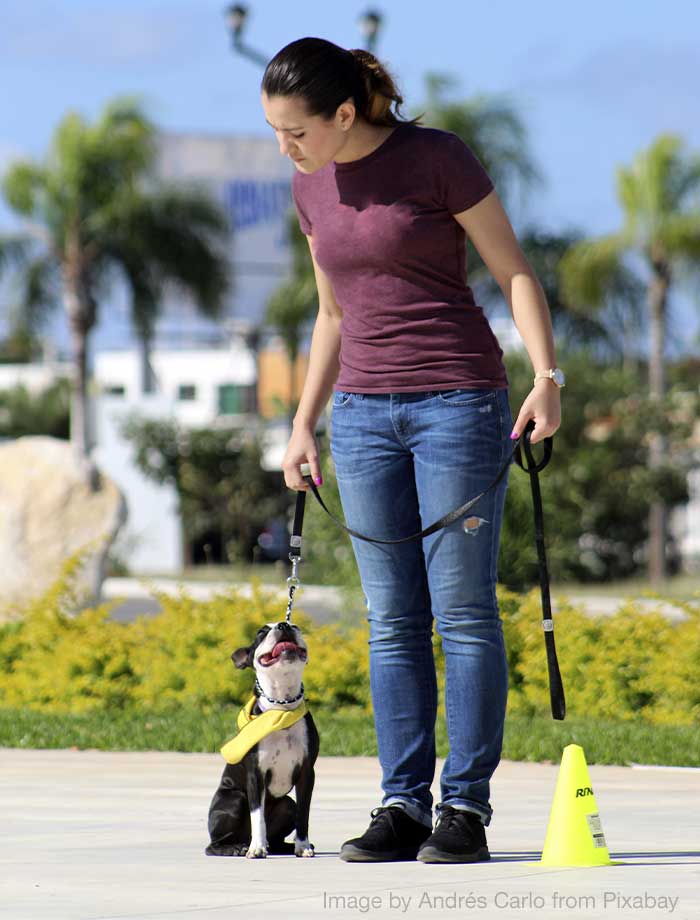
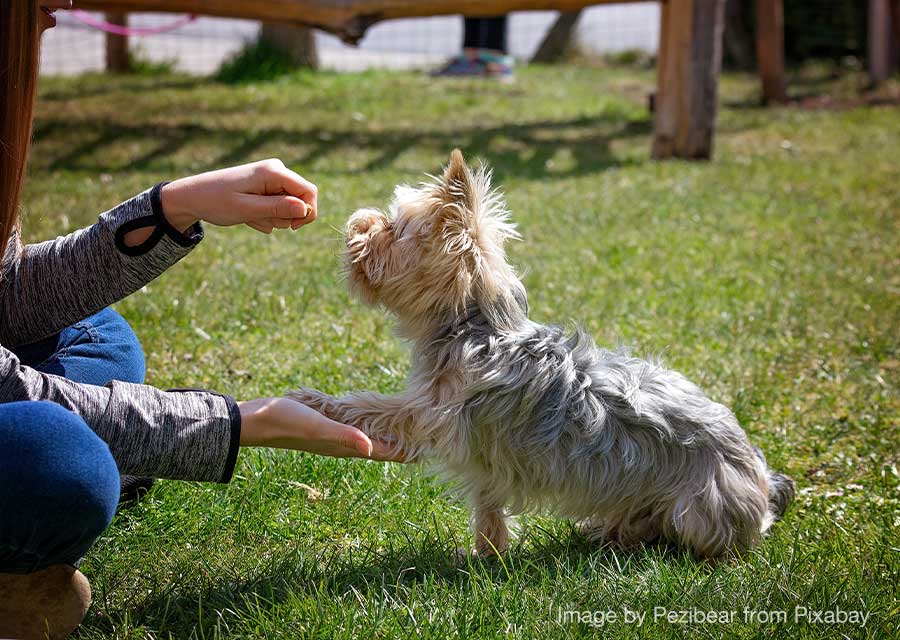
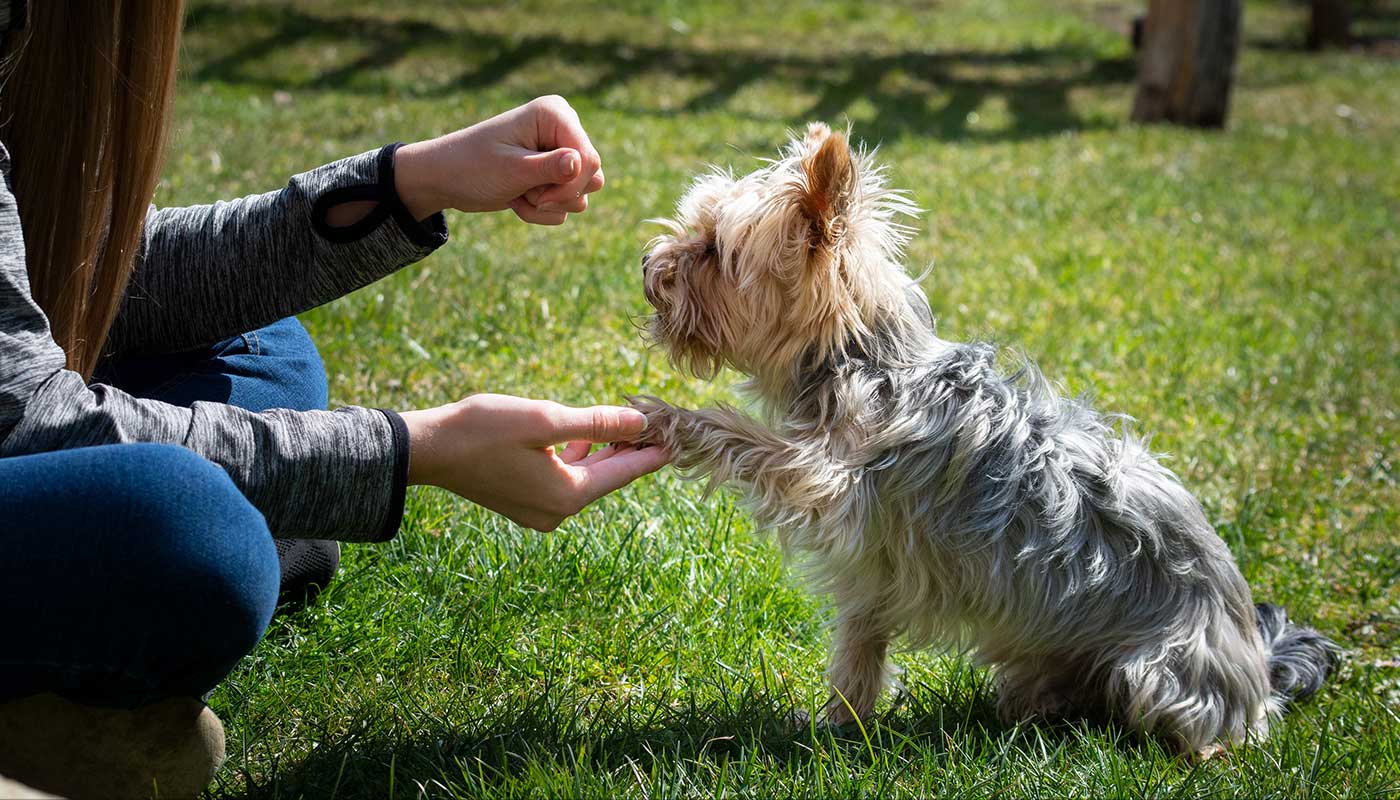
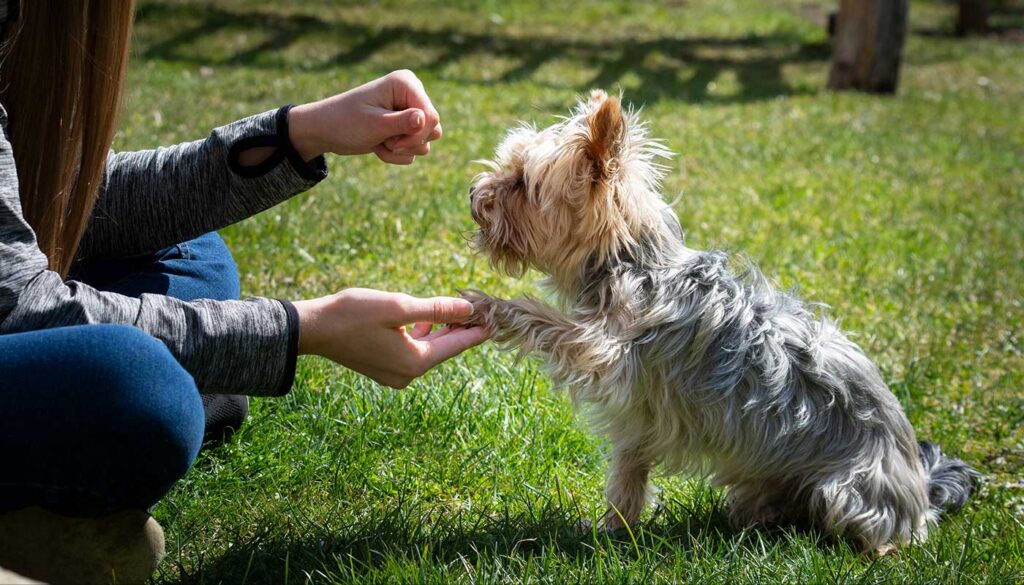
• Basic training sessions (even 5–10 minutes helps!) Plus it builds such confidence!
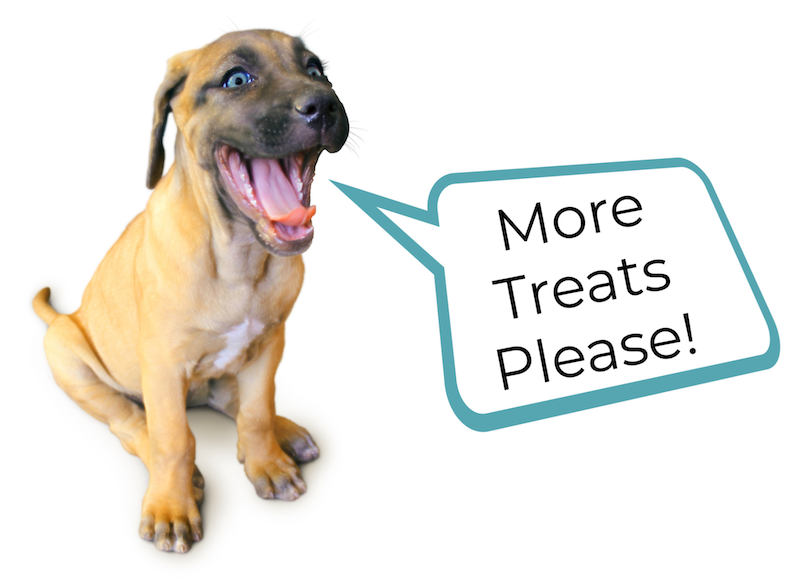
• Hide-and-seek with treats. Who doesn't love this game?!
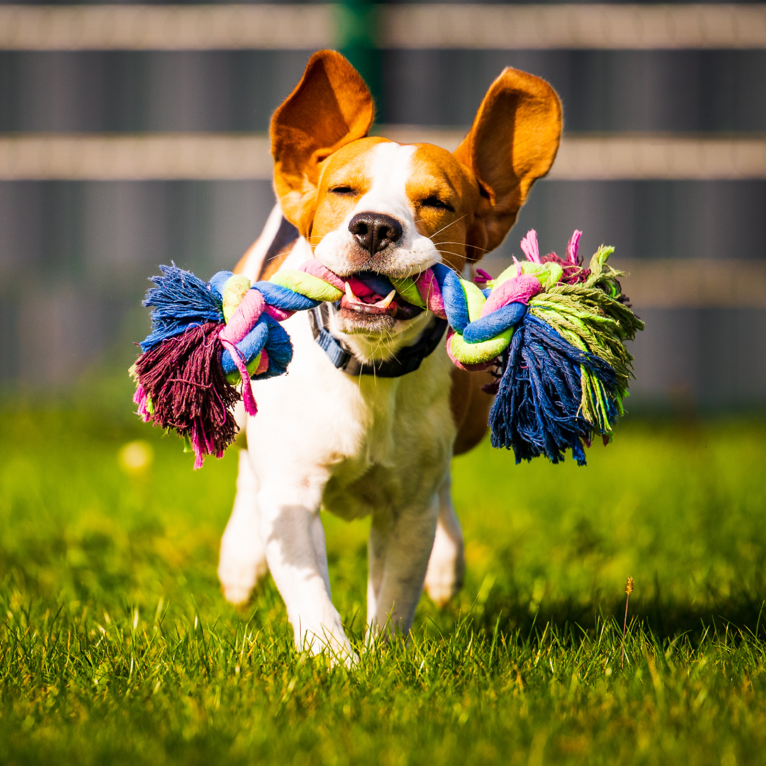
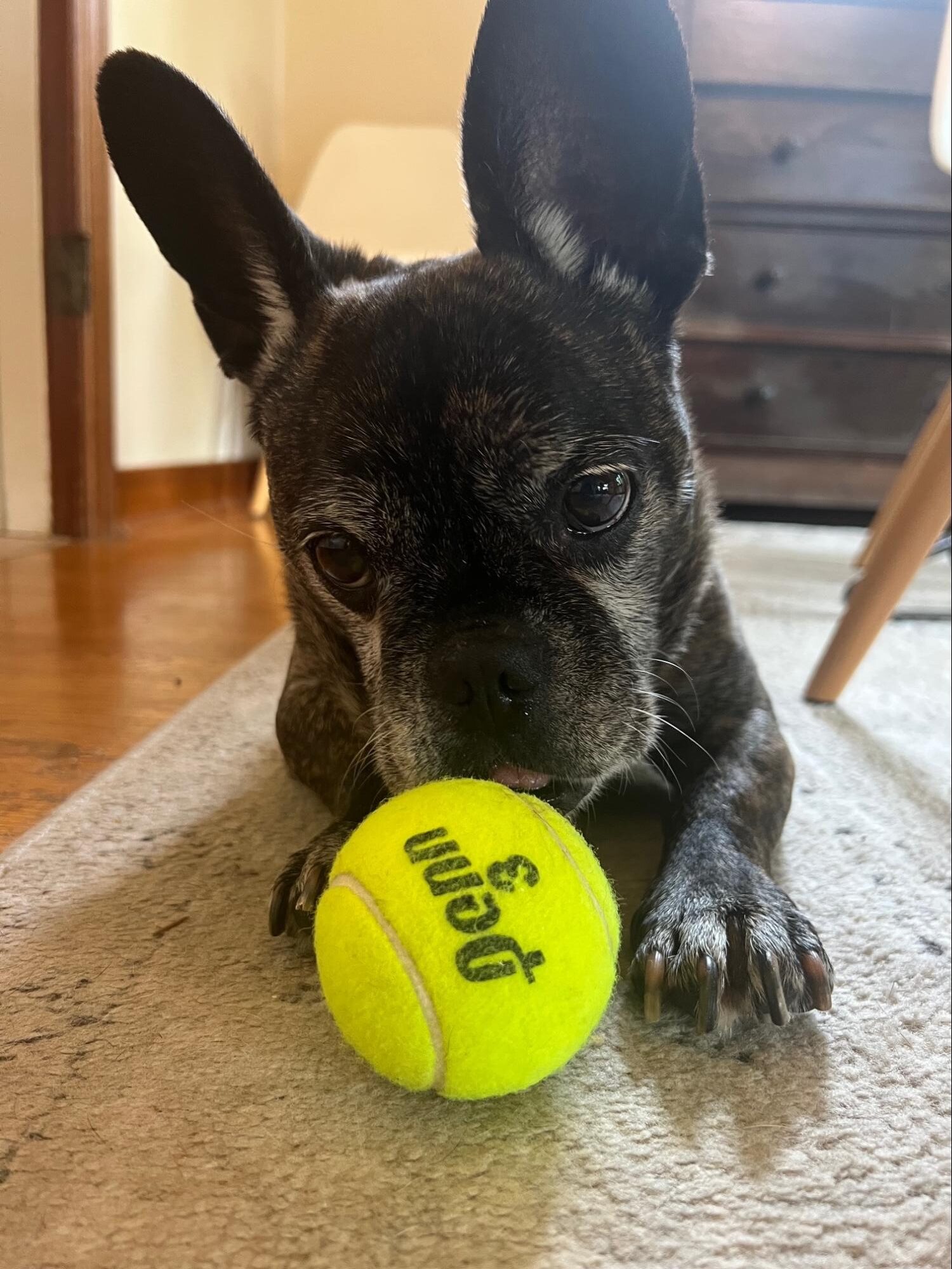
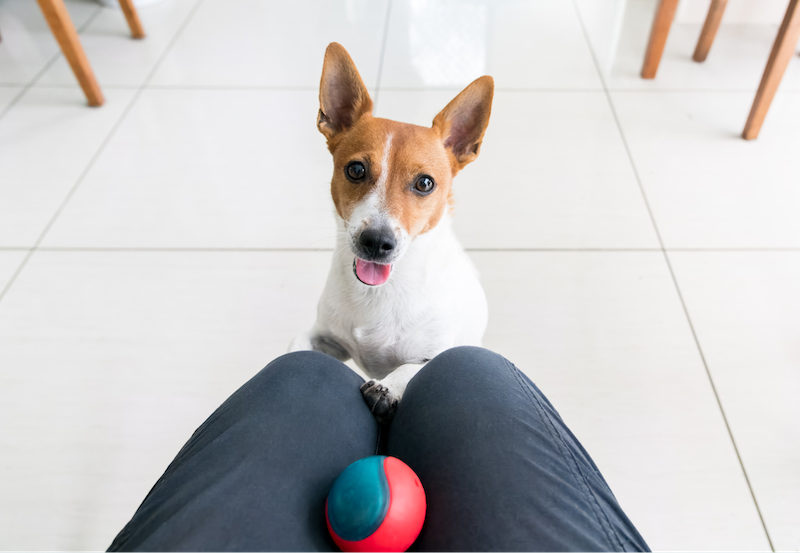
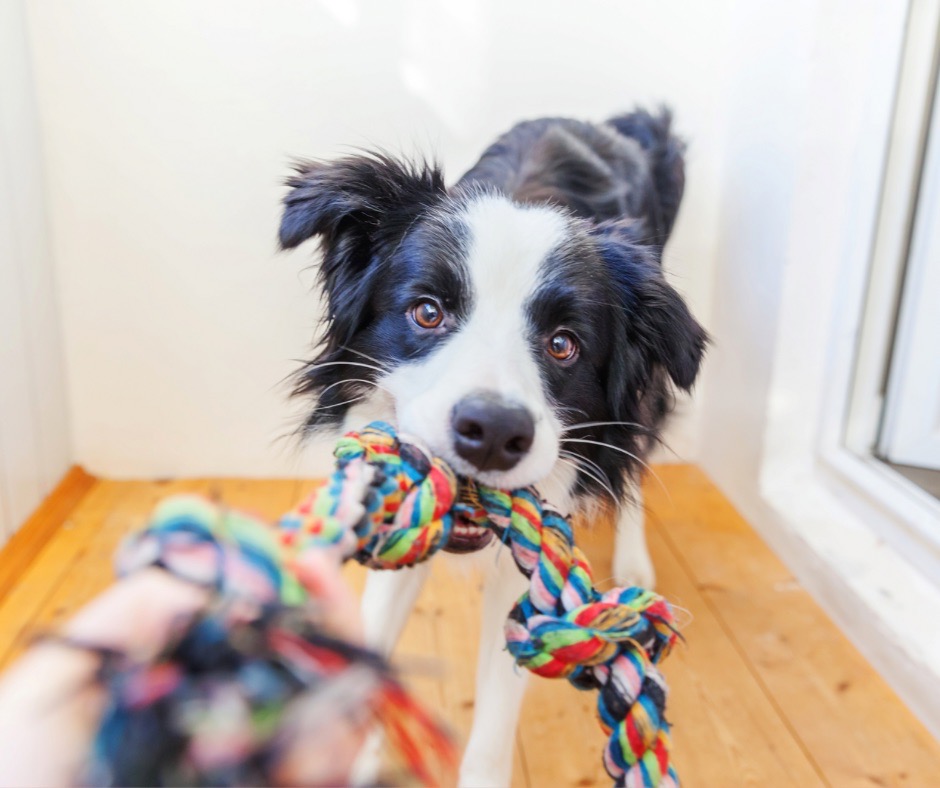
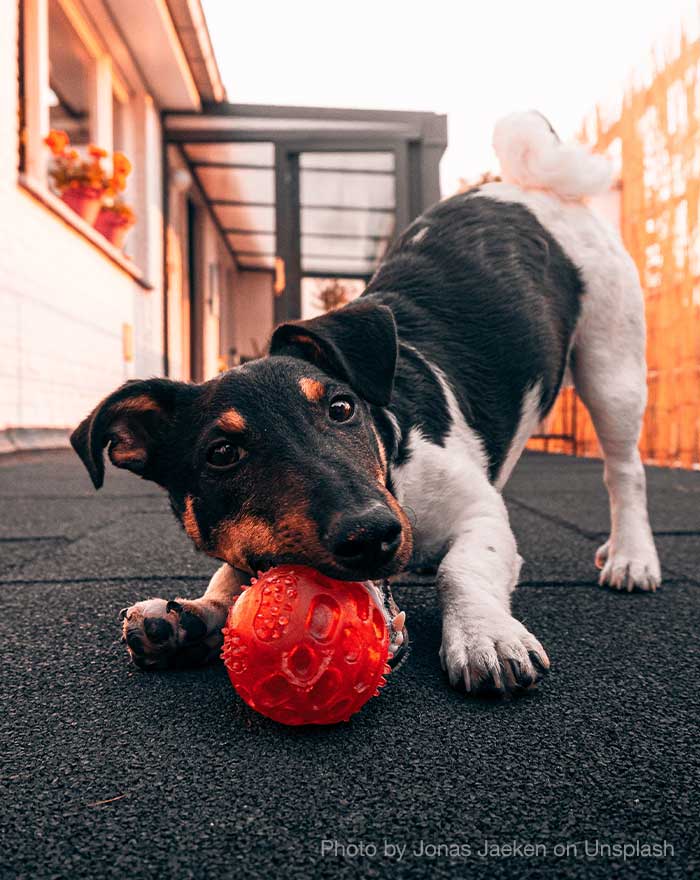
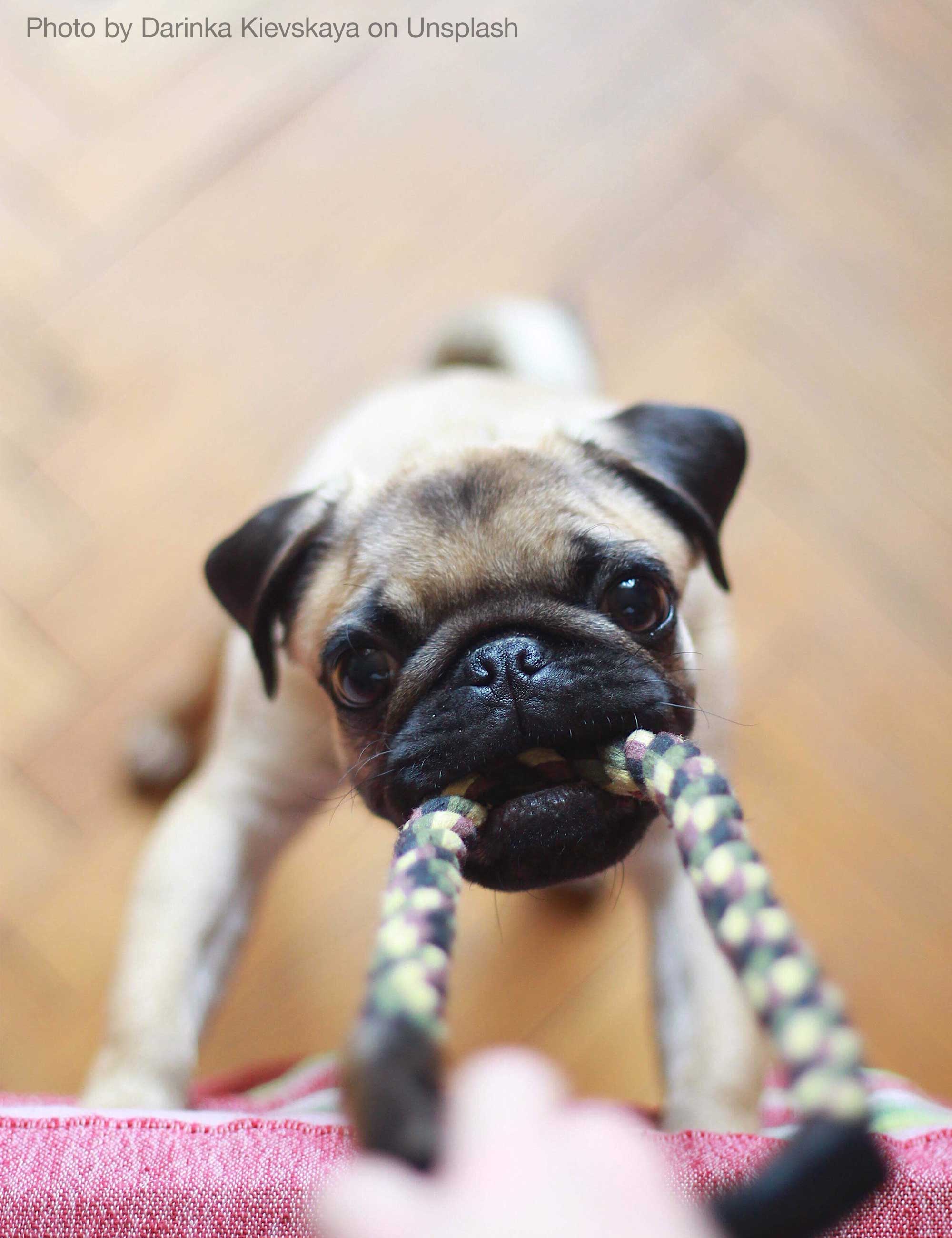
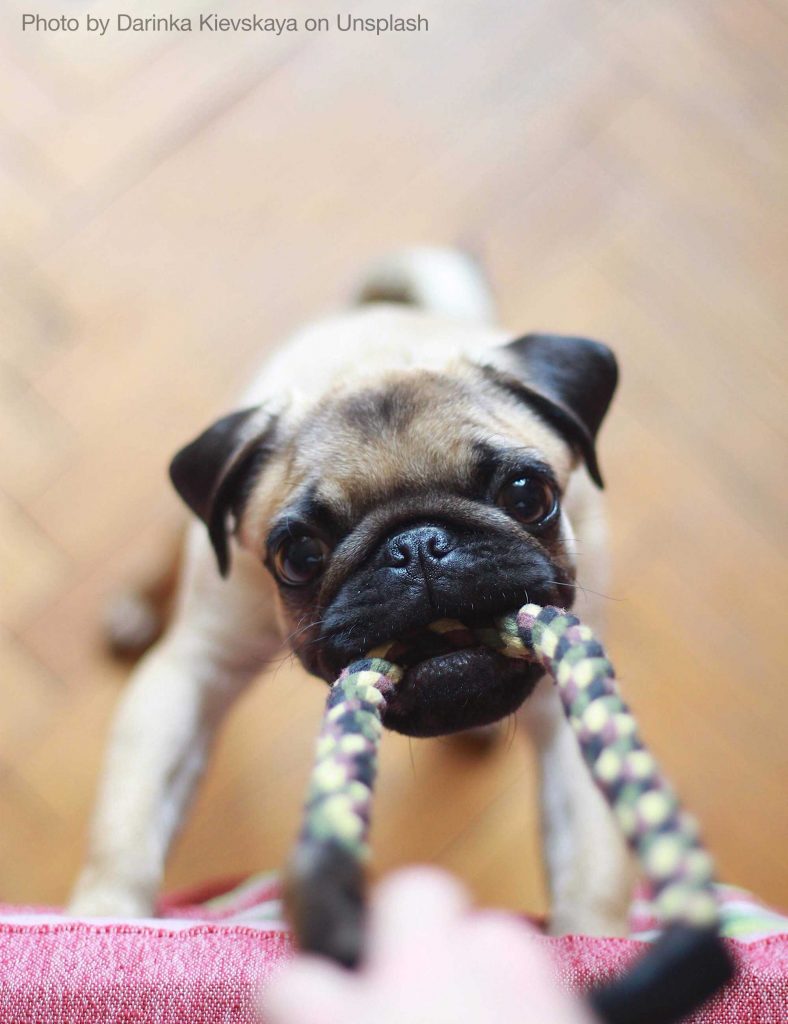
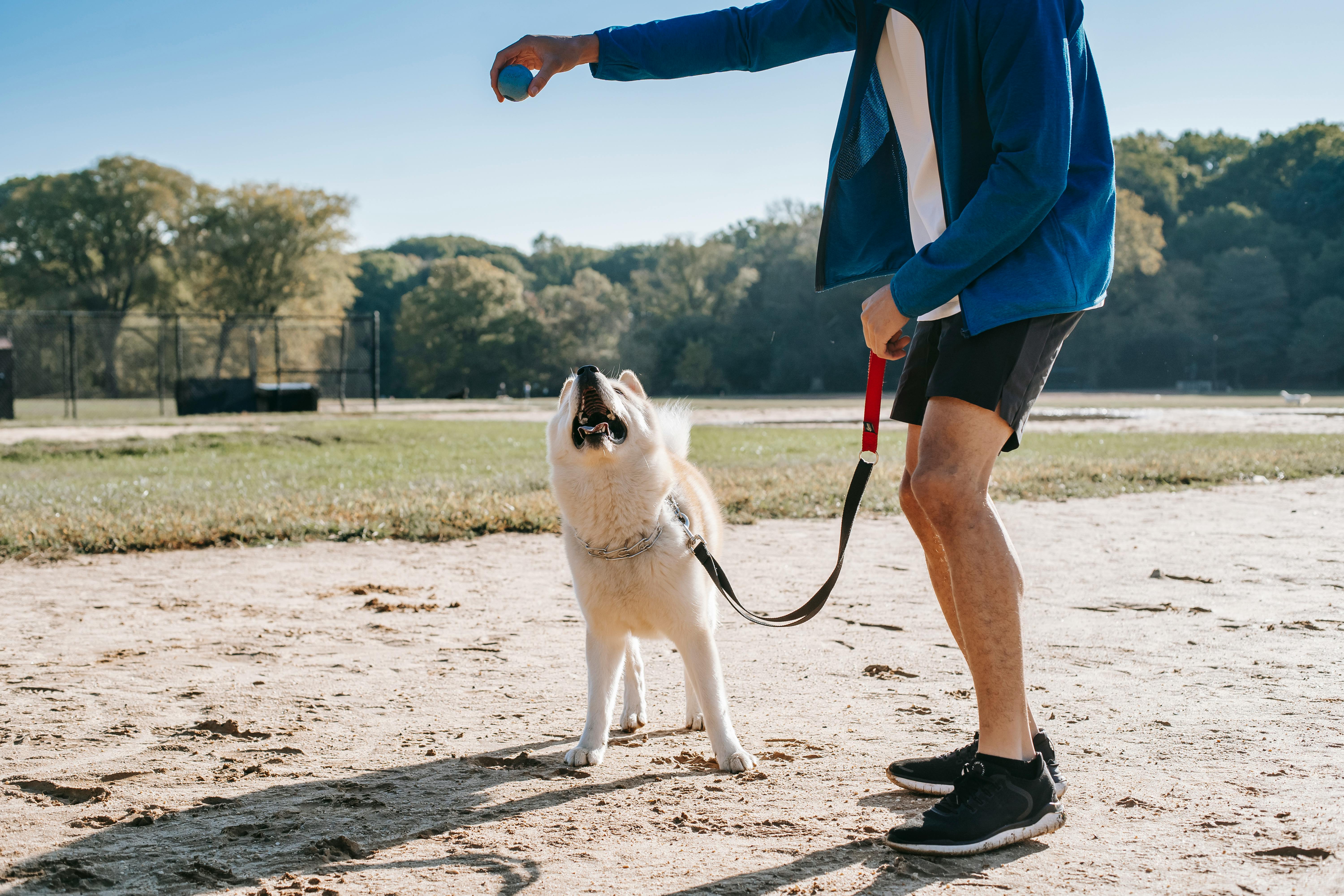
• Interactive play like tug or fetch. A quick game of tug-o-war can go a long way.
These activities burn energy, reduce boredom, and help your dog relax later in the day. Plus, time with you just makes them feel all around extra happy. There’s never too much bonding time!
4. Create a Wind-Down Routine
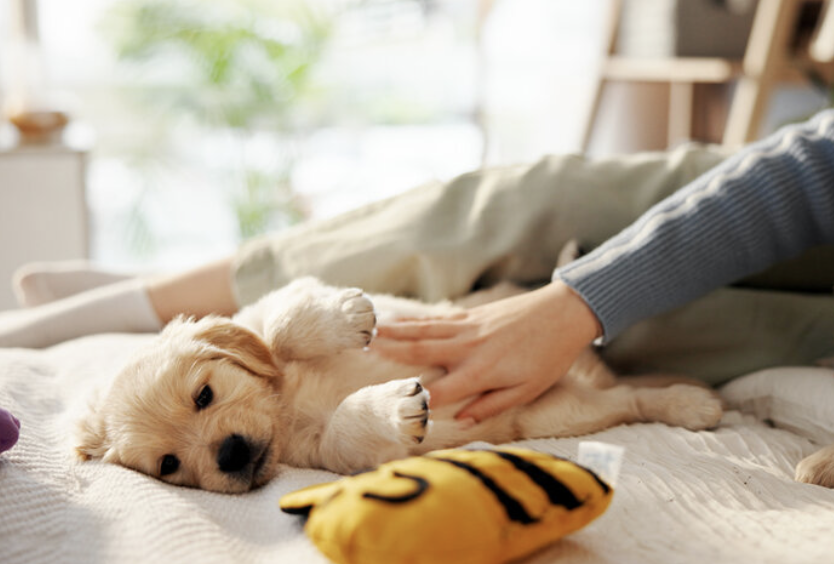
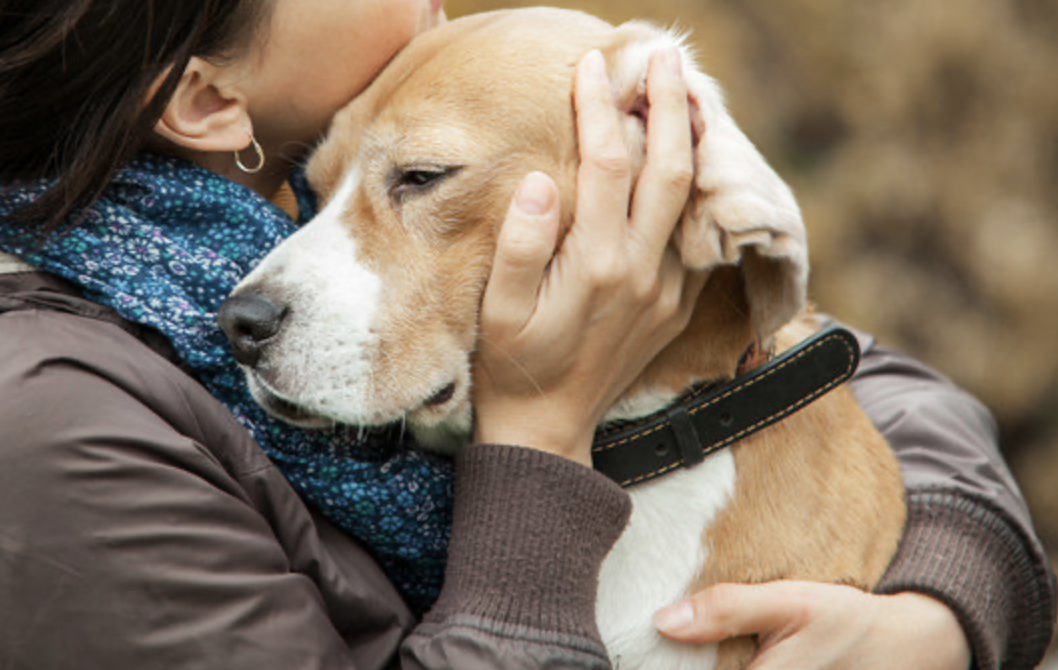
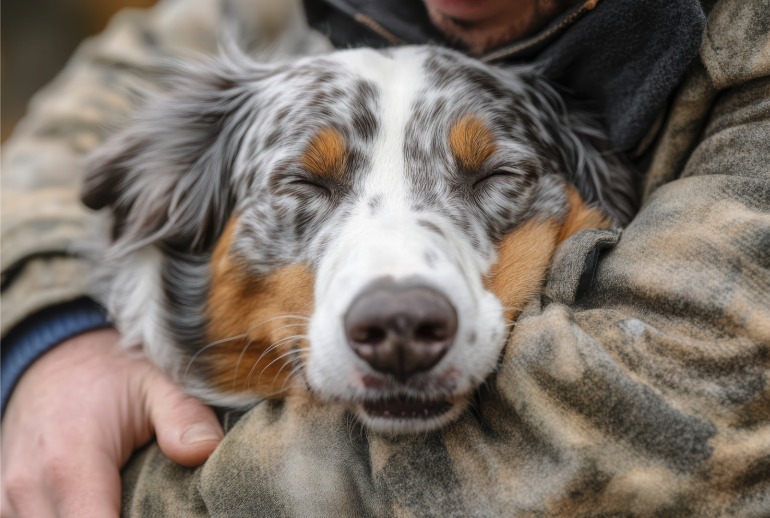
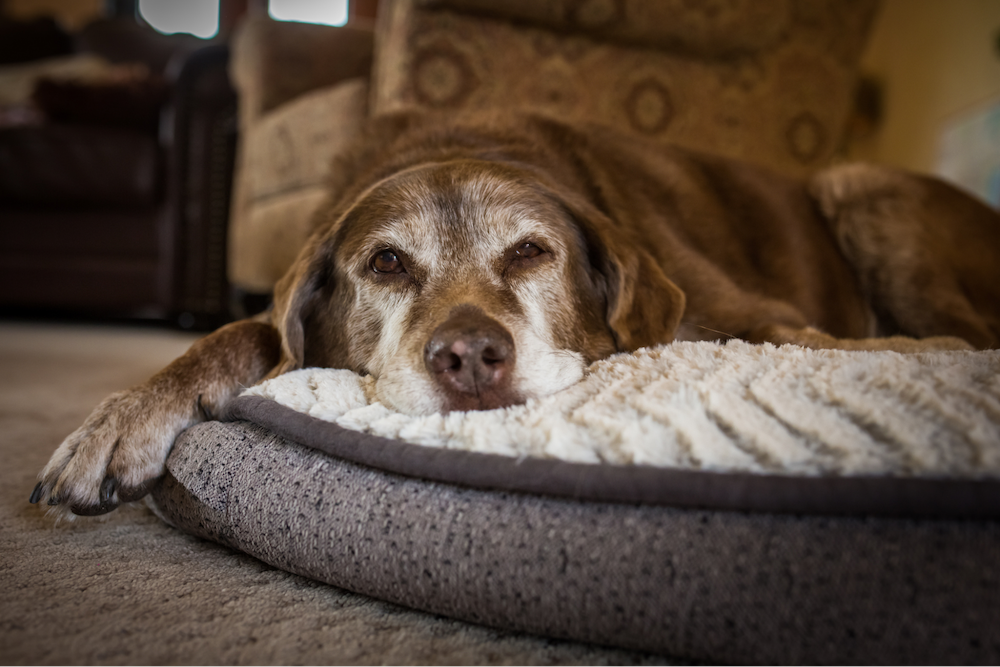
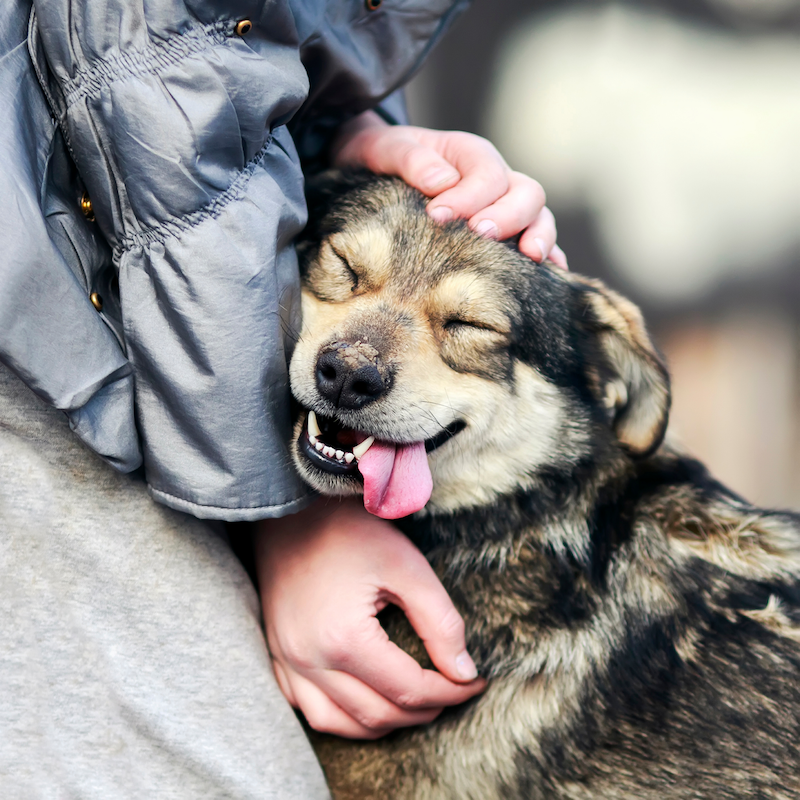
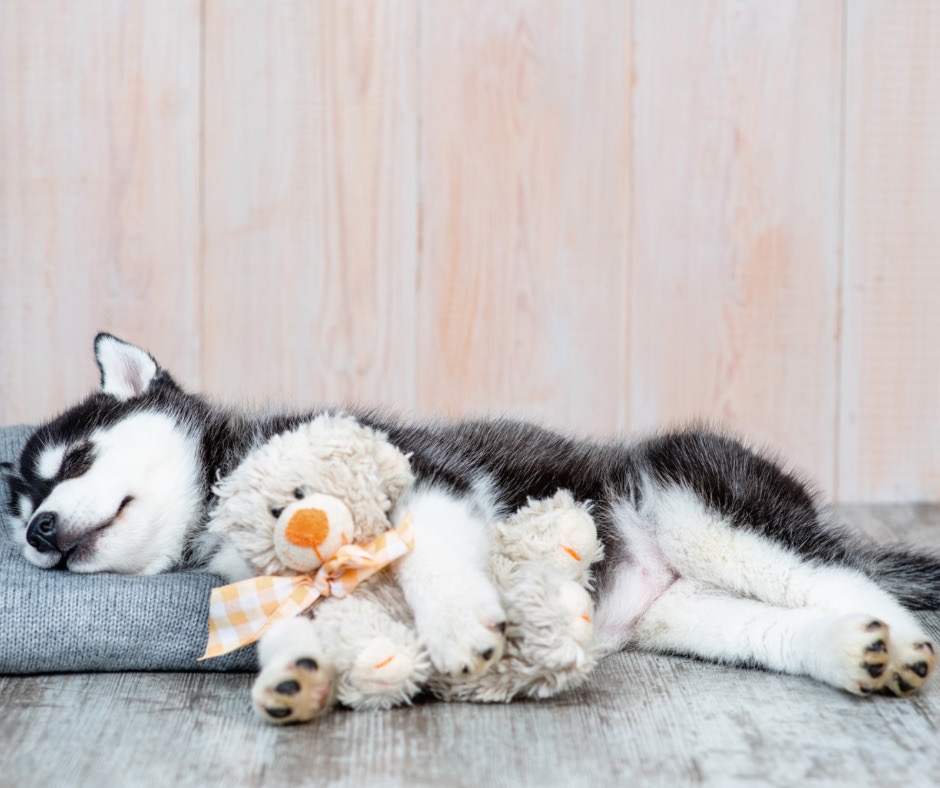
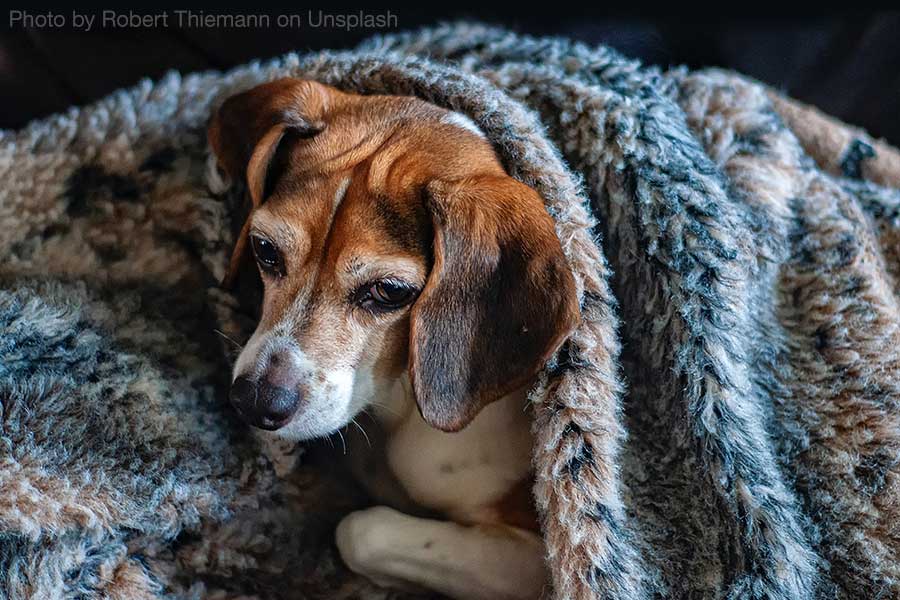
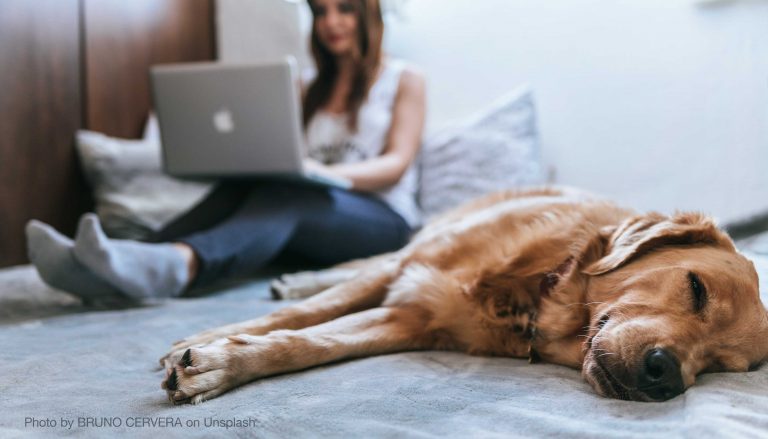
Just like people, dogs benefit from a calming end to the day. Choose a few simple, soothing rituals: gentle music, a licking mat, cuddle time, or just quiet time together. Repeating these steps nightly cues your dog that it’s time to settle down.

5. Support Time Alone
If your dog is spending more time home alone, set them up for success:
• Start with short separations and build up
• Offer a frozen Kong or long-lasting chew
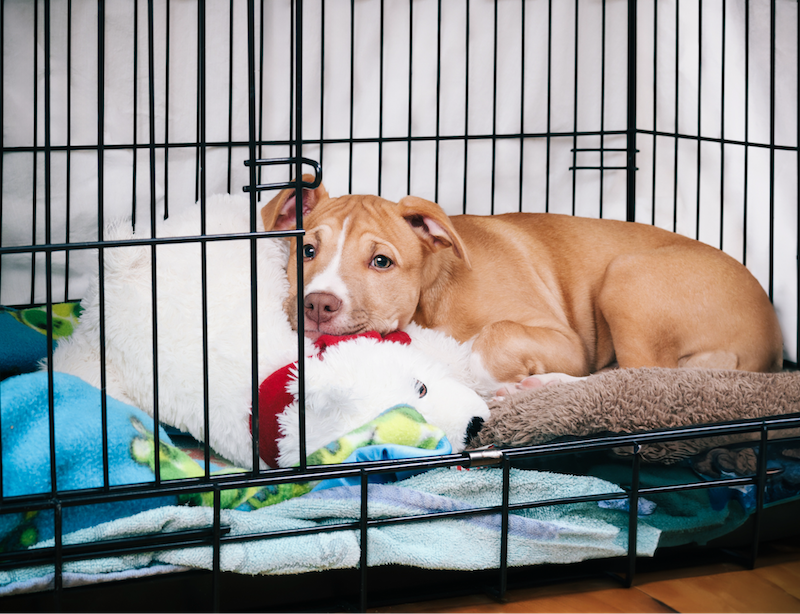
• Keep their resting space cozy and comforting
• Skip emotional goodbyes. It's hard not to give them all the kisses and tell them everything will be ok, but your calm helps them stay calm
You don’t have to create a rigid schedule. There's no room for any fun in that, plus adhering to this can actually cause more stress! The truth is routines are most helpful when they’re realistic, flexible, and rooted in connection.
Life changes, but with a little planning, your dog doesn’t have to feel like the world is turning upside down. A few consistent habits can go a long way in building emotional security and a sense of calm in your home.






.png)
.png)



.png)

.png)


.png)


.jpg)


.jpg)




.jpg)
.jpg)


.webp)



















































































.avif)